It is no surprise that people these days do not place highest regard on Bible (Scripture). Instead, we place highest regards on what we can see and feel, and make important and critical decisions in life according to the acquired knowledge we have, our intuition, or information gathered over the Internet. Over the years, we see people in and outside of church moves from trusting the inspired Word of God to trusting non-Biblical resources, including themselves. While there are many reasons to this observation, I would like to share one reason why I was deterrent of the Bible.
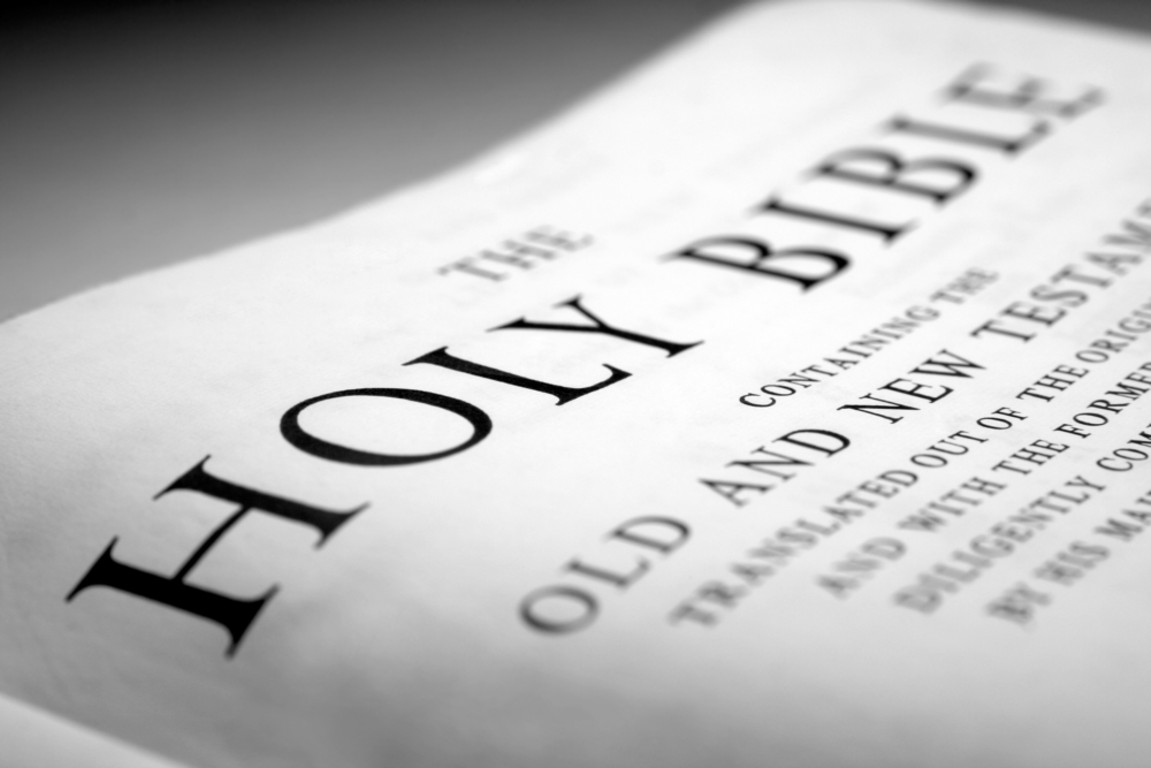
Being a self-acclaimed "intellect" myself, I used to struggle with many things about the Bible, especially when the Bible claims of things that do not reconcile with my acquired knowledge, feelings, or reasonings. In addition, I tend to wrestle with certain claims from the Bible when it challenges my scientific mind, some examples include the many phenomenon in the Bible like Joshua 10 "the sun stood still, and the moon stopped...." -- how can it ever be possible? How is the Bible faultless, reliable, and errorless when there are many contradictions? These doubts towards Bible deepen as reports on "did the Red Sea really part?" and questionable fall of Jericho wall appear as archaeological findings unravel bits and pieces that do not quite echo what is recorded in the Bible. I used to struggle with passages like how Jesus cast out demons on a child (Mark 9:14-29). The reason being, in my view, the people during that historical time did not know that the boy was experiencing a seizure ( in clinical term), and I could easily abort it with a dose of anti-epileptic -- but Jesus stopped this "seizure" with His Word.
 Over time, I read less of the Bible, while exposing myself to other non-Biblical resources which I relate better with. They include my personal experience, sharings from others through various channels, what my spiritual mentors said and my feelings. I rarely go to God and ask Him to deal with the doubts I have of His holy book. It is no doubt that people do not read the Bible as much these days, for they do not trust the Bible enough to anchor all aspects of their lives onto it. As a result, when believers face problems, they follow what the Bible says when it is something they can trust, while following other methods when the Bible claims of things which they cannot really accept or trust.
How trustworthy is the Bible?

Fundamentally, the Bible is not meant to teach everything it touches on (e.g history, geography, math, science...), but on our faith and living, as written by Paul, ".. for teaching, rebuking, correcting, and training in righteousness". The Bible is inerrant in its affirmations, using the prevailing literary convention of authors' time, with the referent being God's purpose of writing that text. In essence, the Bible drives us to act upon the Word (obey), not mere information provision. Because the Word is the authoritative Word of God, we are called to test and approve, and obey after having understood it.Using various phenomenas, the Bible teaches believers to be "thoroughly equipped for every good work" (2 Timothy 3:17, 2 Peter 1:3), and is thus completely adequate for this purpose.
What then can I get from the Bible?
The Bible, inspired Word of God, is like a road map to God. It is not a dictionary. It gives you an approximation of who God is. For instance, if you turn right, you will get to the destination. But it does not give you the exact description of how nice is the turn. If you follow it, trust upon it, it will surely lead you to God.
A famous theologian Barth once said, "Faith in Christ means trust, agreement, and knowledge of God." Trust is the main driving factor - trust the record, trust the spoken Words of Christ, and trust that God is superintending in the process of forming the Bible despite limitations of human. The knowledge is not the main driving factor but one of the supporting structures.
How do we view the reliability of the Word of God determines how we will interpret the Word of God, which subsequently impact how we walk with God. Indeed, the Bible carries tension, and has difficulty we cannot explain, which is why Holy Spirit is given us to help us understand the Word.

So God taught me one thing over time - when we cannot understand the Bible, or when the Biblical statements sound unreasonable to us - do not let our logics trump. Go to God, wrestle with Him, and study His Words diligently with the church. Slowly but surely, God will open our hearts and minds to know Him better through His very own Word. You may be surprised, the living and active God may correct your presumptions and understanding through the Scripture itself.
Over time, I read less of the Bible, while exposing myself to other non-Biblical resources which I relate better with. They include my personal experience, sharings from others through various channels, what my spiritual mentors said and my feelings. I rarely go to God and ask Him to deal with the doubts I have of His holy book. It is no doubt that people do not read the Bible as much these days, for they do not trust the Bible enough to anchor all aspects of their lives onto it. As a result, when believers face problems, they follow what the Bible says when it is something they can trust, while following other methods when the Bible claims of things which they cannot really accept or trust.How trustworthy is the Bible?
In 2 Peter 1:21, it is said, "for prophecy never had its origin in the human will, but prophets, though human, spoke from God as they were carried along by the Holy Spirit."
This verse has huge implications on us if we believe it, for Peter is telling us that -- when the Bible speaks, God speaks.
Peter was a mere fisherman, how could his letters be the Word of God? Certainly, it is not what Peter said isolated-ly that mattered. Rather, it is what God was working through human agents like Peter to write those letters that mattered. The Bible is divinely inspired by God, in that Holy Spirit (the Spirit of God) worked through human authors such as the apostles, prophets, and their distinctive conditions, such that the written words are the very Word of God. Not that human is errorless, but God, being errorless, did not allow human to err even with their finiteness. This echoes the "omni'" and sovereign attributes we know of God. Even the apostles themselves recognize each others' letters as authoritative, calling the letters Scriptures (2 Peter 3:16). Therefore, the Bible is trustworthy because God remains the ultimate Author.
Being breathed out by God, the Bible is inerrant and trustworthy in its affirmations on faith and living, while not in particular seeking to affirm archaeological and scientific facts which bothered me for the longest time ever. In 2 Timothy 3:16, "All Scripture is God-breathed and is useful for teaching, rebuking, correcting, and training in righteousness."
I realized that in Joshua 10, the sun and moon appeared to stand still to Joshua at that point of time, it is as truthful as it seemed to him. When it happened, Joshua did not know the modern findings we will uncover today. Our current culture is different from that of Biblical times, and we carry our own perspective in reading the text. When we take this phenomenon reported in the Scripture as error, it is with respect to a reference point (e.g modern science). Description and reality can be very different. Similarly, description of the Red Sea parting and the reality parting of the Red Sea can be different. However, both are nonetheless pointing to the fact that God is intervening and working for His people. It is a matter of understanding the parts in light of the whole (the heartbeat of God), which is why we should not be impeded by the parts we do not know now, but continue to study the Word until we grasp the intentions of God in that text.
What about the contradictions in the Bible?
The Scripture touches on historical and science-related matters, but it does not seek to affirm scientific infallibility. Similarly, the Bible recorded devil's speech or lies told by human such as Abraham's in Genesis 12 and 20, but it is not to affirm them. Neither does the Bible teach math like in 2 Chronicles, when describing the dimensions of the structures involved. It is not an archaeological, astronomical, mathematic, or medical book aim to teach in those areas. Nonetheless, the latter existed in history, reported in phenomenal language as truthful as they were to the author, yet it was not technical.
This verse has huge implications on us if we believe it, for Peter is telling us that -- when the Bible speaks, God speaks.
Peter was a mere fisherman, how could his letters be the Word of God? Certainly, it is not what Peter said isolated-ly that mattered. Rather, it is what God was working through human agents like Peter to write those letters that mattered. The Bible is divinely inspired by God, in that Holy Spirit (the Spirit of God) worked through human authors such as the apostles, prophets, and their distinctive conditions, such that the written words are the very Word of God. Not that human is errorless, but God, being errorless, did not allow human to err even with their finiteness. This echoes the "omni'" and sovereign attributes we know of God. Even the apostles themselves recognize each others' letters as authoritative, calling the letters Scriptures (2 Peter 3:16). Therefore, the Bible is trustworthy because God remains the ultimate Author.
Being breathed out by God, the Bible is inerrant and trustworthy in its affirmations on faith and living, while not in particular seeking to affirm archaeological and scientific facts which bothered me for the longest time ever. In 2 Timothy 3:16, "All Scripture is God-breathed and is useful for teaching, rebuking, correcting, and training in righteousness."
I realized that in Joshua 10, the sun and moon appeared to stand still to Joshua at that point of time, it is as truthful as it seemed to him. When it happened, Joshua did not know the modern findings we will uncover today. Our current culture is different from that of Biblical times, and we carry our own perspective in reading the text. When we take this phenomenon reported in the Scripture as error, it is with respect to a reference point (e.g modern science). Description and reality can be very different. Similarly, description of the Red Sea parting and the reality parting of the Red Sea can be different. However, both are nonetheless pointing to the fact that God is intervening and working for His people. It is a matter of understanding the parts in light of the whole (the heartbeat of God), which is why we should not be impeded by the parts we do not know now, but continue to study the Word until we grasp the intentions of God in that text.
What about the contradictions in the Bible?
The Scripture touches on historical and science-related matters, but it does not seek to affirm scientific infallibility. Similarly, the Bible recorded devil's speech or lies told by human such as Abraham's in Genesis 12 and 20, but it is not to affirm them. Neither does the Bible teach math like in 2 Chronicles, when describing the dimensions of the structures involved. It is not an archaeological, astronomical, mathematic, or medical book aim to teach in those areas. Nonetheless, the latter existed in history, reported in phenomenal language as truthful as they were to the author, yet it was not technical.
Fundamentally, the Bible is not meant to teach everything it touches on (e.g history, geography, math, science...), but on our faith and living, as written by Paul, ".. for teaching, rebuking, correcting, and training in righteousness". The Bible is inerrant in its affirmations, using the prevailing literary convention of authors' time, with the referent being God's purpose of writing that text. In essence, the Bible drives us to act upon the Word (obey), not mere information provision. Because the Word is the authoritative Word of God, we are called to test and approve, and obey after having understood it.Using various phenomenas, the Bible teaches believers to be "thoroughly equipped for every good work" (2 Timothy 3:17, 2 Peter 1:3), and is thus completely adequate for this purpose.
What then can I get from the Bible?
The Bible, inspired Word of God, is like a road map to God. It is not a dictionary. It gives you an approximation of who God is. For instance, if you turn right, you will get to the destination. But it does not give you the exact description of how nice is the turn. If you follow it, trust upon it, it will surely lead you to God.
A famous theologian Barth once said, "Faith in Christ means trust, agreement, and knowledge of God." Trust is the main driving factor - trust the record, trust the spoken Words of Christ, and trust that God is superintending in the process of forming the Bible despite limitations of human. The knowledge is not the main driving factor but one of the supporting structures.
How do we view the reliability of the Word of God determines how we will interpret the Word of God, which subsequently impact how we walk with God. Indeed, the Bible carries tension, and has difficulty we cannot explain, which is why Holy Spirit is given us to help us understand the Word.
"The Spirit searches all things, even the deep things of God. For who knows a person’s thoughts except their own spirit within them? In the same way no one knows the thoughts of God except the Spirit of God. What we have received is not the spirit of the world, but the Spirit who is from God, so that we may understand what God has freely given us. This is what we speak, not in words taught us by human wisdom but in words taught by the Spirit, explaining spiritual realities with Spirit-taught words. The person without the Spirit does not accept the things that come from the Spirit of God but considers them foolishness, and cannot understand them because they are discerned only through the Spirit. The person with the Spirit makes judgments about all things, but such a person is not subject to merely human judgments..."(1 Corinthians 2:10-15).Placing highest regard on the Scripture (Bible), though sound absolute and old-school, is nonetheless the most important way to safeguard our faith in Christ in a counter-Scripture era we are in today, where feelings and human reasonings trump. For we are fallen creatures (Romans 3:23), none of our feelings, discoveries, advancement in science, and knowledge can be the perfect benchmark to question the trustworthiness of the authoritative Word of God. When confronted with discrepancies which we have yet to resolve convincingly, we should humbly admit that we do not have all information readily and are truly limited. But by God's grace and persistent wrestling with God, they may be made available or reconcilable in future. Moreover, we also read the Scripture with our current existential thinking which can be different shades from the writer’s, so is the way we all perceive and describe the world to one another. There is indeed a lot to study and explore in understanding what God is affirming through the Biblical text.
So God taught me one thing over time - when we cannot understand the Bible, or when the Biblical statements sound unreasonable to us - do not let our logics trump. Go to God, wrestle with Him, and study His Words diligently with the church. Slowly but surely, God will open our hearts and minds to know Him better through His very own Word. You may be surprised, the living and active God may correct your presumptions and understanding through the Scripture itself.
It is no wonder that Moses called God's Word - Life.
I come to realise, I get God and life through the Bible.
I come to realise, I get God and life through the Bible.
Take to heart all the words I have solemnly declared to you this day, so that you may command your children to obey carefully all the words of this law. They are not idle words for you - they are your life. By them you will live long in the land you are crossing the Jordan to possess - Deuteronomy 32:46-47


